
Set healthy boundaries

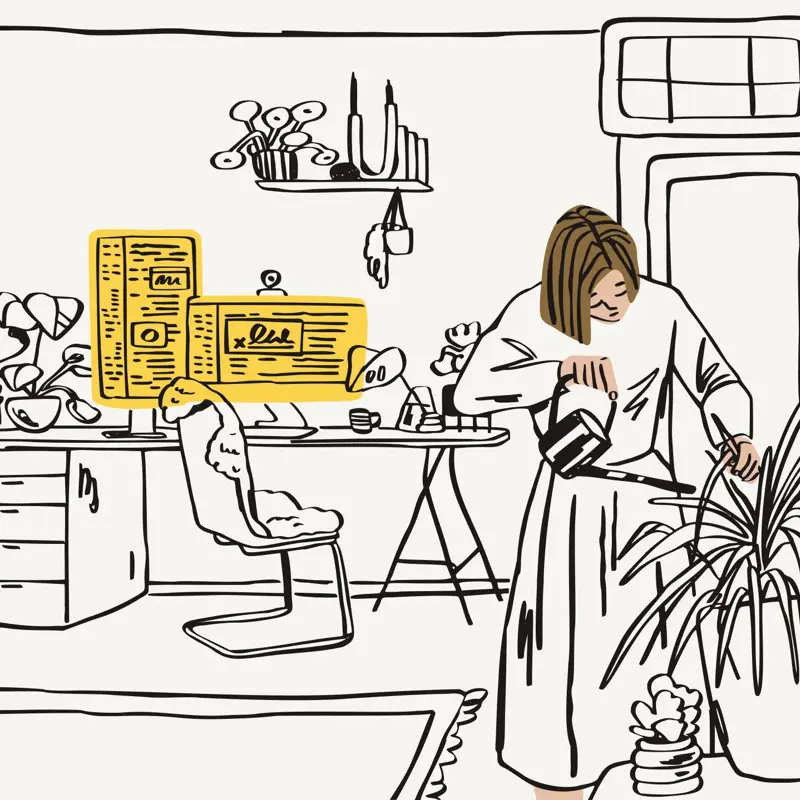
Remote work means that work and life are blended like never before. To stay well and prevent burnout, we need healthy boundaries between the two. But setting appropriate boundaries isn’t easy—and respecting others’ boundaries can be equally difficult. Use this exercise to become a better steward of your personal time and fully unplug when your workday is over.
Step 1: Pick your boundary archetype
Do you tend to say “yes” to everything, or do you have a tough time hearing “no”? Being aware of your default boundary patterns can help you improve them. Take a look at boundary archetype 101. When you’re done, reflect: Do any of these feel like me? How does my boundary type play out in my work life and impact those around me?
Step 2: Audit your boundaries
Use this boundaries audit worksheet to get a better sense of which situations tend to unsettle your boundaries. Pay special attention to situations that cause guilt, resentment, or anger—these emotions often signal that a boundary has been crossed, and needs to be reset or communicated more clearly. When you’re done, reflect: Which people and personal behaviors are most connected to crossing a boundary in my work-life? Where might I need to set limits?
Step 3: Reset your boundaries
Now that you know your problem areas, you can create predictable, proactive structures to prevent boundary infractions before they happen. Use the boundary structures worksheet to get started.
Step 4: Communicate your boundaries
Once you know what you’d like to change, make a clear request to yourself or someone else. If you’re setting a boundary with another person, try to approach the conversation like a negotiation—work to understand their desires and needs while being up front about your own. More communication tips:
- Keep a confident, positive tone: Remember that healthy boundaries aren’t meant to punish. They’re meant to be mutually beneficial and supportive.
- Address boundary violations right away. If someone oversteps a limit, it’s better to reinforce it in the moment than to wait.
- Model respect for others’ boundaries. For example, if you need to email a colleague at night because you’re headed out of town the next day, be clear that you don’t expect a response during non-work hours. You can even add “not urgent” to the subject line so they know you respect their work–life balance.
Build the habit
- Tomorrow: Take a one-hour lunch break without checking your phone
- Next week: Say “no” to ONE low-priority task or meeting
- Quarterly: Reassess your boundaries

Your team, your impact
We've revolutionized cloud storage. Now, we're pioneering the future of AI-enhanced work. See how your potential can unlock something bigger at Dropbox.


