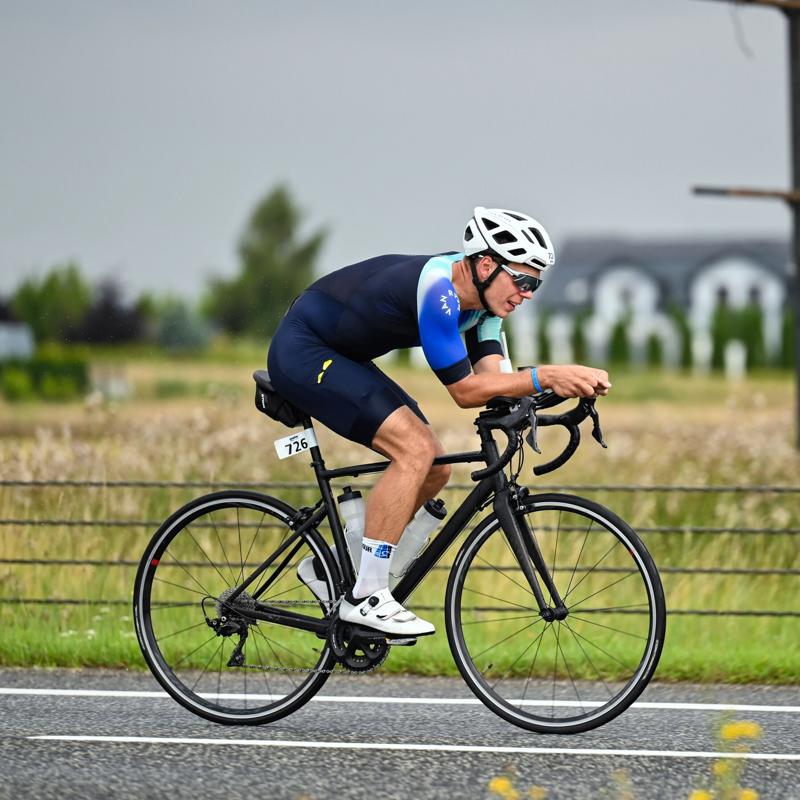
A few years ago, a friend and I took on the 115km route at our local gravel grinder, longer and steeper than our usual 100km. Fifteen extra kilometers might not sound like much, but it came with another 1.5k feet of climbing on top of the 6.5k from the 100km route, along with steeper grades.
By the lunch stop, we were exhausted. Cutting the route short would have been the easy choice. But we decided to keep going, eager to see just how far we could push ourselves. We committed to finishing together, even if it meant grinding through the pain.
That ride was not just a test of fitness. It was a lesson in judgment, pacing, and commitment. You pick your line, read the terrain ahead, adapt to what comes at you, and keep moving forward. In many ways, leading engineering teams works the same way.
Prepping for the climb
Cyclists know the importance of choosing the safest, smartest line through tricky terrain. You cannot hesitate mid-descent, and you cannot wing it on a big climb without preparation. That means making deliberate choices early: the right gear, knowing the route, and understanding your limits.
In platform engineering, I think about risk in terms of Type 1 (irreversible) and Type 2 (reversible) decisions. Type 1 calls for getting it right from the start because the cost of changing is too high. That often means focusing on external dependencies, data structures, API contracts, and release or change management plans. Type 2 decisions can be made just in time. Overplanning every detail does not necessarily reduce risk, and it can add upfront cost. Adapt where you can.
Years ago, my team took on a high-stakes infrastructure migration. We created a detailed checklist with clear success criteria at each step and practiced in staging until every operation was second nature.
Preparation gets you to the start of the climb, but the challenge next is managing your pace.
Pacing and trust
On a bike, you learn quickly that burning all your energy in the first climb leaves you with nothing for the rest of the route. Leadership is similar because pacing matters. My goal is to manage and mentor myself “out of a job.” I prefer to give my team room and responsibility to lead, with a strong support system for when they need it. Learning through doing is usually more productive than learning by example, although less experienced folks should start small with low-risk projects. In those cases, process and structure are the steady cadence that keeps you moving without blowing up early.
Trust across global or cross-functional teams is like riding in a peloton. You move faster and more efficiently when you understand each other’s strengths and goals. Collaboration is easier when you know how the other side is incentivized and measured. Ideally, you find a joint mission so you are heading in the same direction. And just like riding with someone over time builds camaraderie, can lift collaboration above daily stress.
Even the best pacing cannot control the weather. In both cycling and engineering, conditions can change in an instant, and you have to be ready to respond without losing your rhythm.
When the road shifts
Even the best-prepared ride can throw you a mechanical failure or a sudden storm. Last year, my team took ownership of a new, business-critical service and immediately had to troubleshoot a series of complex reliability challenges.
I pulled in expertise from across the company, signaling we were not alone and framing it as a learning experience. We stayed focused on the next achievable step, and I made it a point to project calm in the middle of the chaos.
When the road ahead is not clear, I focus on being directionally accurate so that each step brings us closer to the goal, even without a perfect map. I also name uncertainty out loud so no one feels like they are riding alone in bad weather.
Handling these shifts takes energy. Just like in endurance riding, lasting the full route depends on conserving enough strength for every stage, not just the next hill.
Sustainable Impact
Endurance riding is all about sustainability. You cannot ride hard every single day and expect to last the season. Sustainable engineering leadership is the same. It means prioritizing long-term productivity over quick wins. Building a high-functioning team of strong engineers takes time, trust, and an understanding of what each person needs to be successful.
One habit I keep is making sure everyone, including myself, has their next real break planned before burnout strikes. Whether it is time off, a lighter sprint, or time away from the day-to-day, knowing there is space to recharge helps keep the pace sustainable, just like scheduling rest days into your training plan.
I listen constantly through 1:1s, team meetings, and retros. Engineers will usually tell you when they need help if you make space for it.
I also make a point of showing appreciation, both for achievements and for lessons learned. And I keep space for fun. At offsites and during regular team time, we play games every sprint. Just like on a long group ride, enjoying the company you keep makes all the difference.
Find your line
Riding your line is not just about staying upright on the bike. It is about owning your judgment, trusting your instincts, and making space for others to do the same. In leadership, that means knowing when to commit, when to adapt, and how to help your team find their own best path forward.
Cycling sharpened those instincts for me. Out on the road or trail, you are constantly reading the terrain, adjusting your approach, and staying aware of the people riding with you. It is the same in engineering leadership: the conditions will change, but steady, deliberate decision-making and mutual trust will get you where you need to go.
At the end of the day, it is not just about crossing the finish line. It is about how you ride to get there, and who you bring along for the journey.